
My latest pair of bespoke shoes from Central Europe: Classic punched captoes in brown Perlinger boxcalf. Everything is fashion, but some fashions last longer.
Happy New Year.
Source: The Journal of Style

My latest pair of bespoke shoes from Central Europe: Classic punched captoes in brown Perlinger boxcalf. Everything is fashion, but some fashions last longer.
Happy New Year.
Source: The Journal of Style
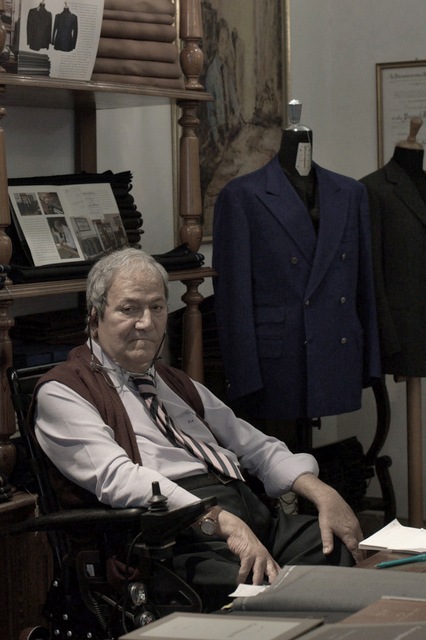
Maugeri
Church music poured out, when a lady, which turned out to be the daughter of the maestro, opened the door. The music created a devout atmosphere. It also made an impact seeing a calm Pasquale Maugeri seated in a wheel chair in a beautiful apartment, which constitutes the workshop.
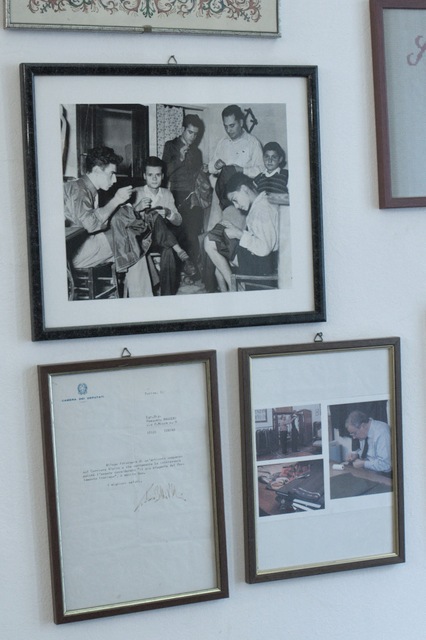
Mr Maugeri embodies the old story of a boy from a humble background starting out in tailoring at an early age. He was born in 1939 in Gioia Tauro, a small town near Reggio Calabria in the deep South of Italy. Eight years old he began working for a tailor, and he has, in reality, been working with needle and thread ever since.
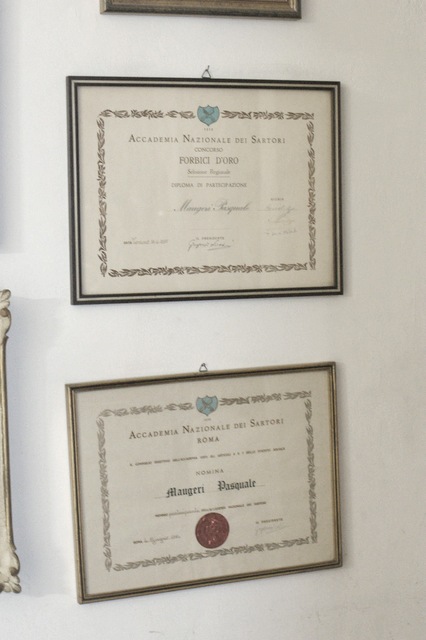
In 1957, when he was 18 years old , he moved to Turin, where he took up jobs at the best tailors in town . In 1965, he created his own firm, Sartoria Maugeri, in one of Turin’s most prestigious streets.
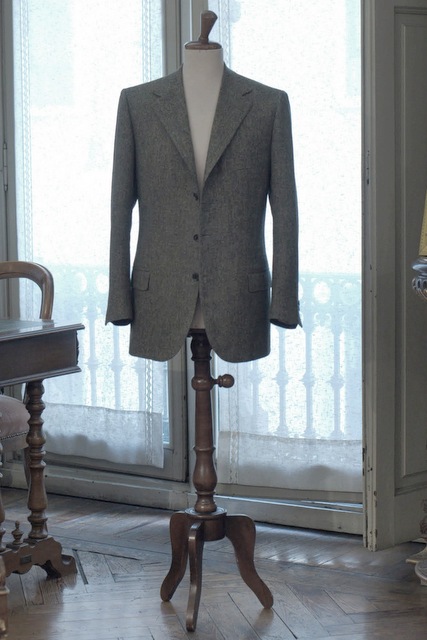
Having spent most of his life in Nothern Italy, Mr Maugeri cuts a relatively clean and defined shoulder. That said there seems to be traces of southern style in his tailoring. Shoulders on Maugeri’s jackets and coats hanging in the sartoria were completely unpadded, and jacket fronts open and lapels rounded in a way that reminded me of jackets of the South.
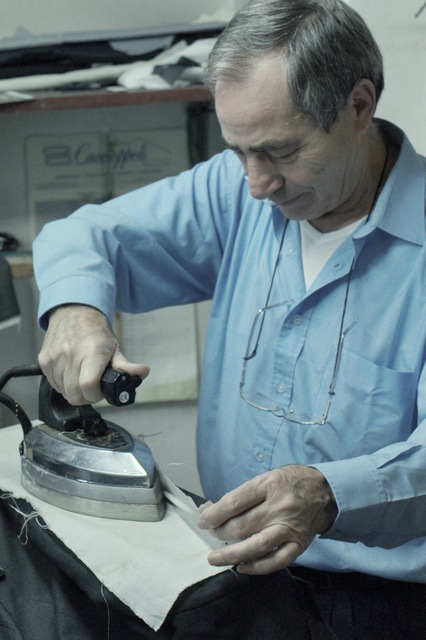
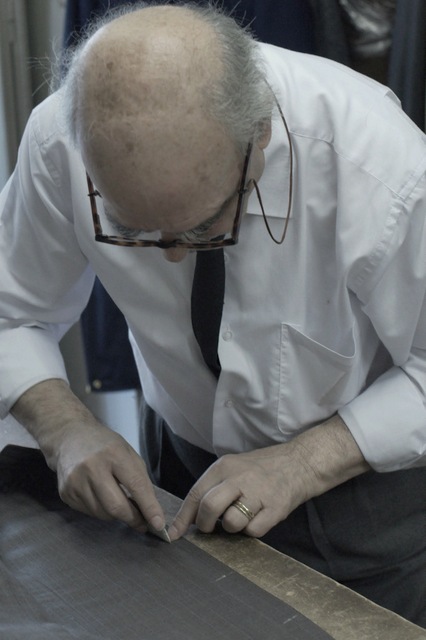
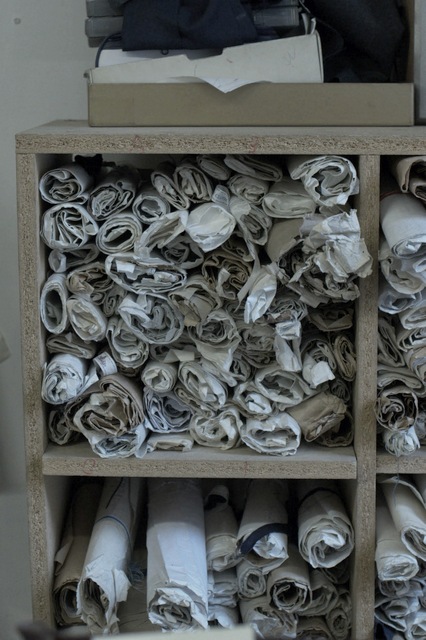
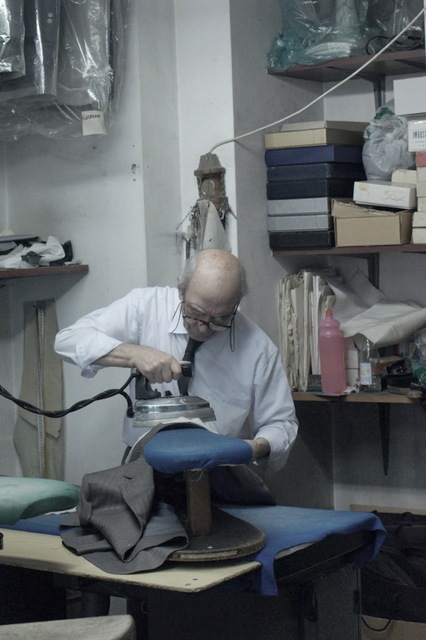
Pasquale Maugeri has a staff of four-five people. Two gentlemen were moulding jacket parts and interlining, when I was there. They must have carried out the job for ages. Still, they were focused. They were present in the work.
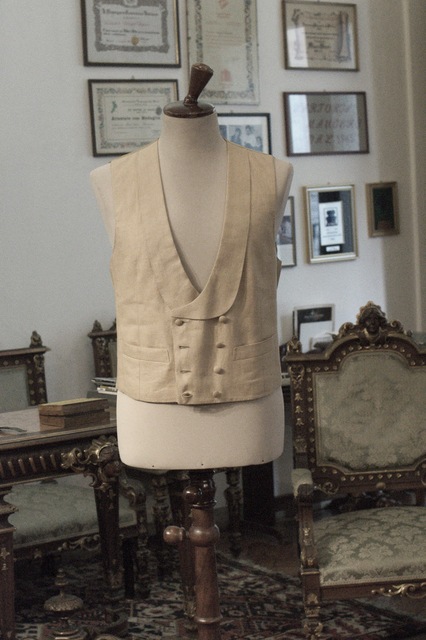
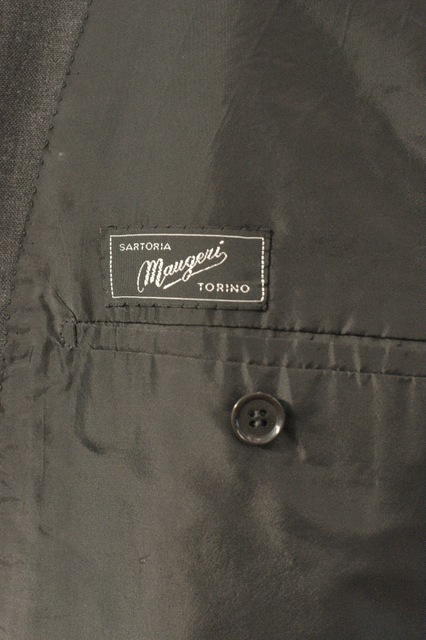
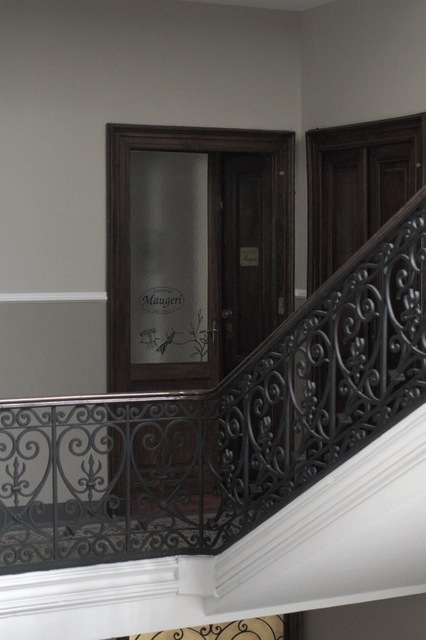
Turin tailor Pasquale Maugeri is true tailoring indeed. You will have a hard time finding it more authentic, if you that is what you like.
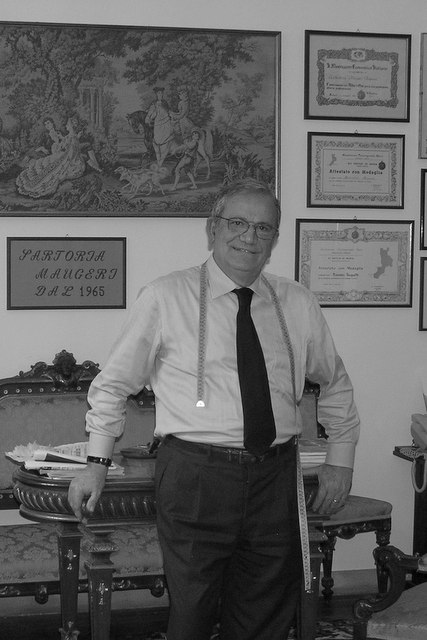
After coming home, Francesco, Pasquale Maugeri’s son, has forwarded this older photo of his father.
Source: The Journal of Style
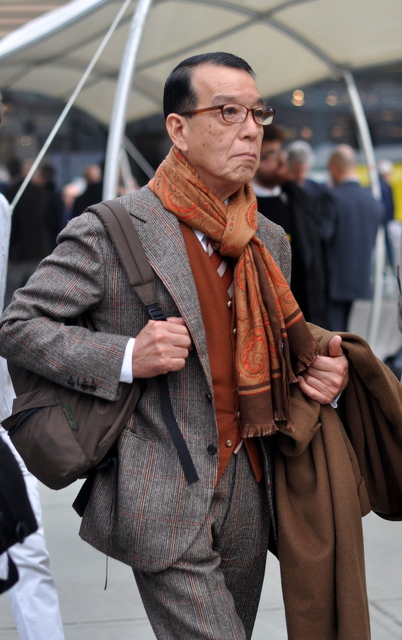
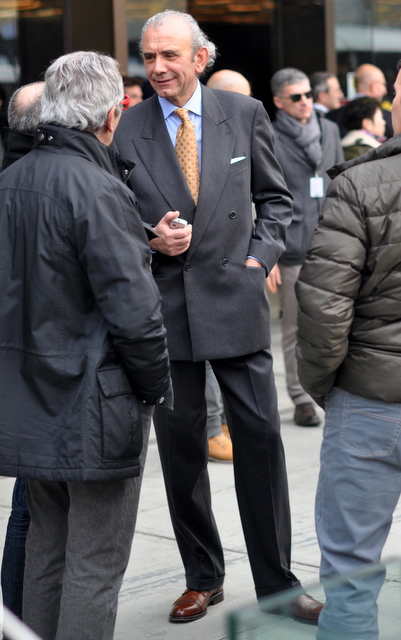
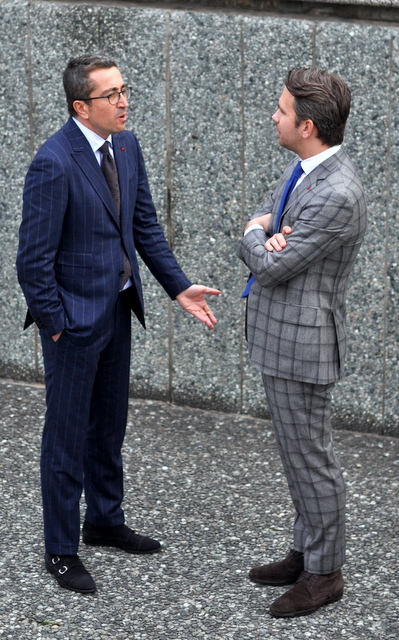
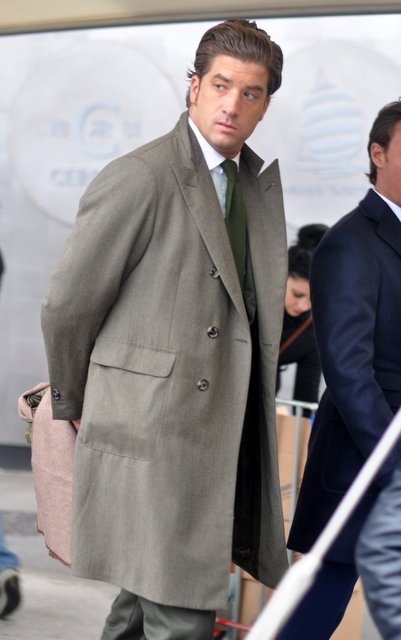
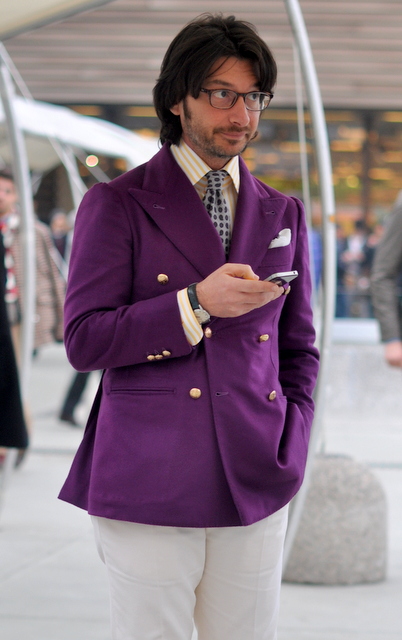
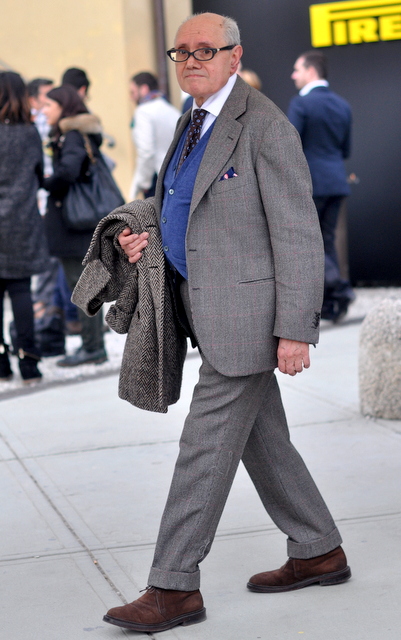
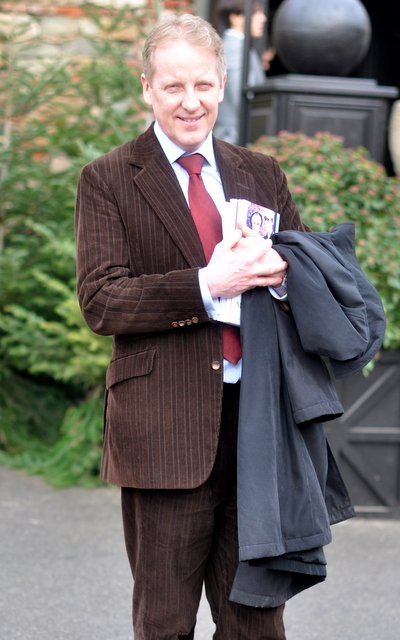
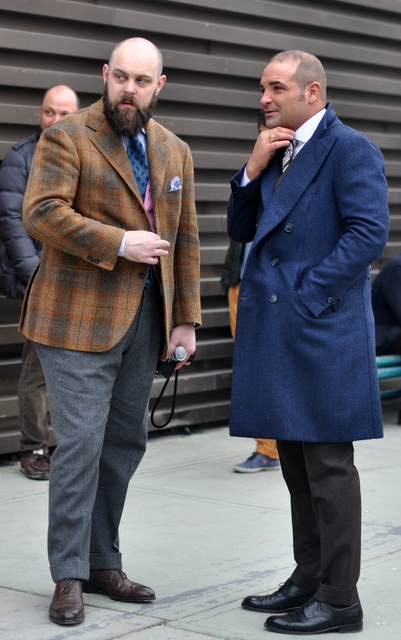
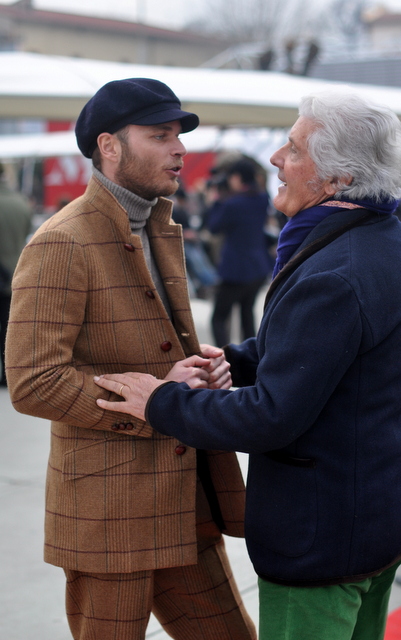
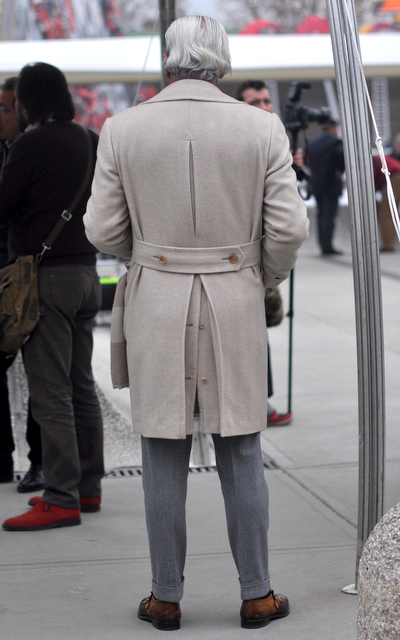
Pitti Uomo January 2014 is only a few weeks away. I’m looking forward to the show once more. January 2013 was great fun.
True, you’ll meet lots of crazy dressing at Pitti Uomo but also men, who dress extremely well.
A selection of my photos from Pitti Uomo January 2013 above.
Source: The Journal of Style
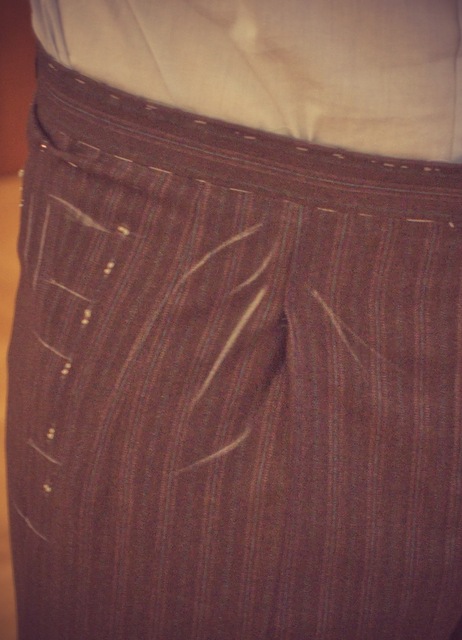
Volkmar Arnulf pays attention to details. Every great tailor does that but Mr Arnulf appears to have a particular objective approach. He is a systematic craftsman, not an artist with dominating ego and opinion. I like that. Real dialog is possible.
At the third fitting, we start with the trousers. They have to be taken out a bit. Volkmar Arnulf chalk marks codes for alteration afterwards.
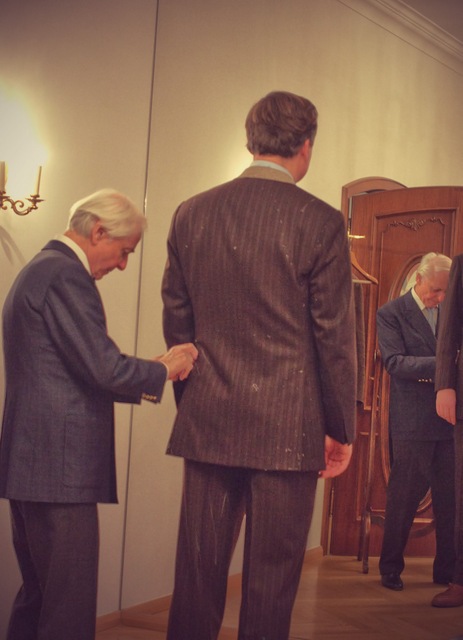
I have a feeling the suit will be slightly tighter than my English suits and slightly more generous than my Italian suits. Volkmar Arnulf asks if I want it tighter at the small of the back but I like it as it is.
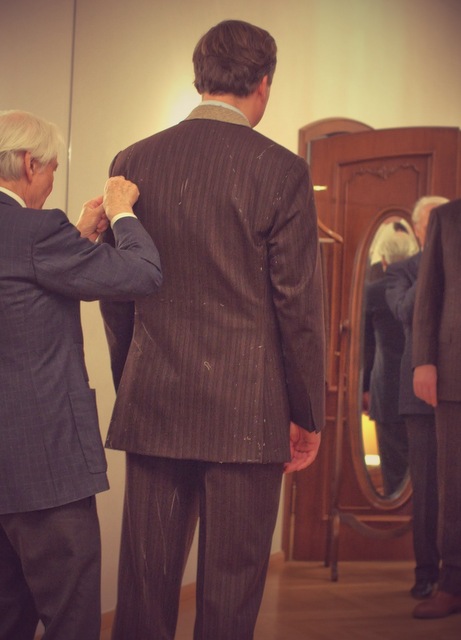
Volkmar Arnulf has arranged two types of shoulders. Both are virtually unpadded but one is extended one centimeter or so. I go for that one. It seems to cooperate well with the rest of the cut.
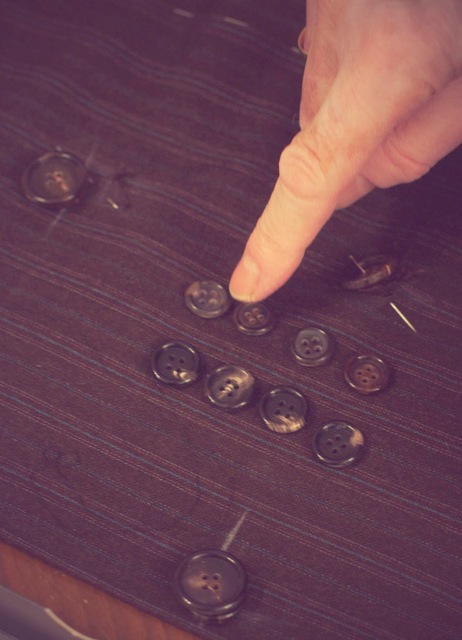
Buttons will be brown buffalo horn buttons, of course. We move them around once more to find the most harmonious placements on the jacket front. Thet will be attached closer horizontally than on my existing double breasted jackets.
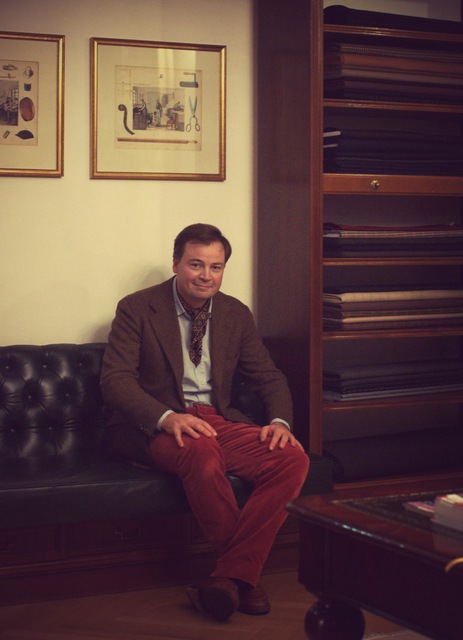
A tired rédacteur finding a smile for the photographer before heading to Schönefeld Airport.
Source: The Journal of Style
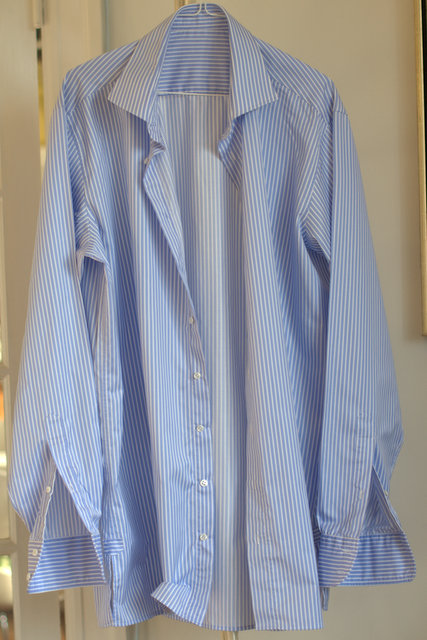
Shirts from Turin have arrived. One from Camiceria Artigiana Carmen, and one from Camiceria Loran.
Above the shirt from Carmen. As I expected, it is a well made shirt. It fits shoulders and chest perfectly, and collar and cuffs, which she only makes unfused, are spot on too.
Like other Italian shirtmakers I have tried, Carmen cuts a slim sleeve compared to the large sleeve on my bespoke shirts from England. I must say I have a weakness for English sleeve style. I feel it gives plenty of room for movement, wheras the slim Italian sleeve, although artfully cut, will always restrict movement a bit more.
However, Carmen’s slim sleeve and shoulder construction is quite good. The cut has provided a very flexible shirt. My only change on a next shirt will be a tad wider under sleeve. I need just a little more room there, when bending the arm.
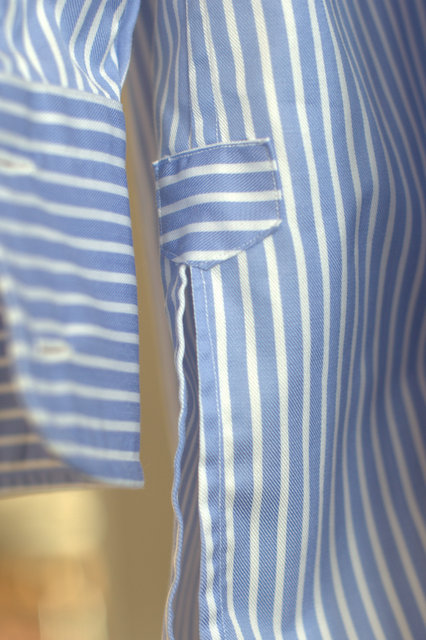
Carmen has attached the gusset on the outside. Best solution, I think, because it can give a more even and comfortable shirt on the inside.
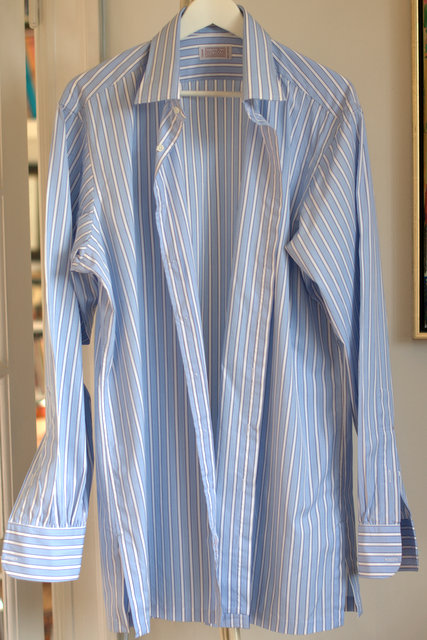
The shirt from Camiceria Loran is also a fine shirt. I cannot compare it to Carmen’s shirt directly, because I gave Loran an English bespoke shirt to copy. They have done that very well though. The shirt is identical to the English shirt. Almost. They have folded and stitched the hem differently, and they have used a stiffer interlining in the unfused collar and cuffs, which produce a slightly different feel. Buttons have a thread shank too. My English shirt has not.
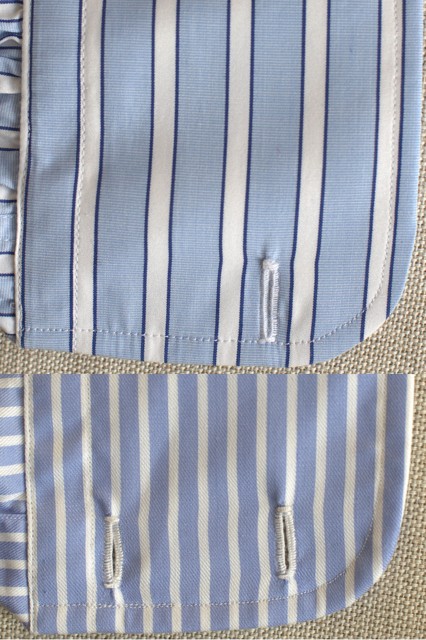
The two shirts from Loran and Carmen have been finely stiched with a single-needle. The stitching on the Carmen shirt is extremely fine and dense. Moreover, buttonholes on my Carmen shirt have been stiched by hand.
Pattern matching at shoulder tips, collar and plackets, which once was an obsession of mine, has been applied on both shirts. The results are okay in both cases but not exceptional.
The shirt fabrics used are an end-on-end Thomas Mason for the Loran shirt, and a royal twill Thomas Mason for the Carmen shirt.
Read me first post on the two Turin shirtmakers here.
Source: The Journal of Style